There’s a way of being in nature that doesn’t involve covering ground or checking off trails. It’s slower. Quieter. Less about doing and more about noticing.
Forest bathing in Puerto Rico is exactly what it sounds like—immersing yourself in a forest, not to exercise or reach a destination, but simply to be there. And while the practice can happen almost anywhere with trees, certain places make it easier to let go and settle in.
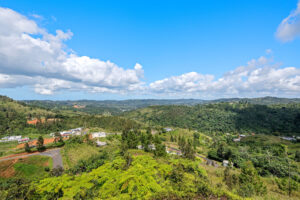
The mountains of Puerto Rico are one of those places. Cool air, dense forest, and a rhythm that naturally slows everything down. For travelers looking to step away from the usual pace, the central highlands offer something the coast rarely can: stillness.
What Is Forest Bathing in Puerto Rico (And What It Isn’t)
Forest bathing originated in Japan during the 1980s under the name shinrin-yoku—a term that translates loosely to “taking in the forest atmosphere.” It wasn’t invented as a wellness trend. It emerged as a response to a culture that had become disconnected from nature, and from itself.
The practice is simple. You walk into a forest. You slow down. You pay attention.
That’s it.
Forest bathing is not hiking. There’s no trail to complete, no elevation to gain, no distance goal. It’s not guided meditation either—you don’t need a script or a leader telling you when to breathe. And it’s certainly not fitness. If you’re checking your heart rate or counting steps, you’ve already missed the point.
What forest bathing asks for is presence. A willingness to move slowly, notice small things, and let the forest do what forests do—calm the nervous system, quiet the mind, and remind you that not everything needs to be optimized.
Why the Mountains Create the Perfect Setting
Not every natural environment invites this kind of attention. Beaches are beautiful, but they’re often bright, hot, and exposed. Busy parks come with crowds and noise. The mountains, especially forested ones, offer something different.
Elevation, Climate, and Silence
Higher elevation changes how the air feels. In Puerto Rico’s central mountains, temperatures drop noticeably compared to the coast—cooler mornings, softer afternoons. The humidity is often lower, and there’s a freshness that makes breathing feel easier.
Then there’s the silence. Not absolute silence—birds, insects, wind through leaves—but the absence of mechanical noise. No traffic. No construction. No planes overhead every few minutes. This kind of quiet is rare, and it changes how you listen.
Forest Density and Natural Rhythms
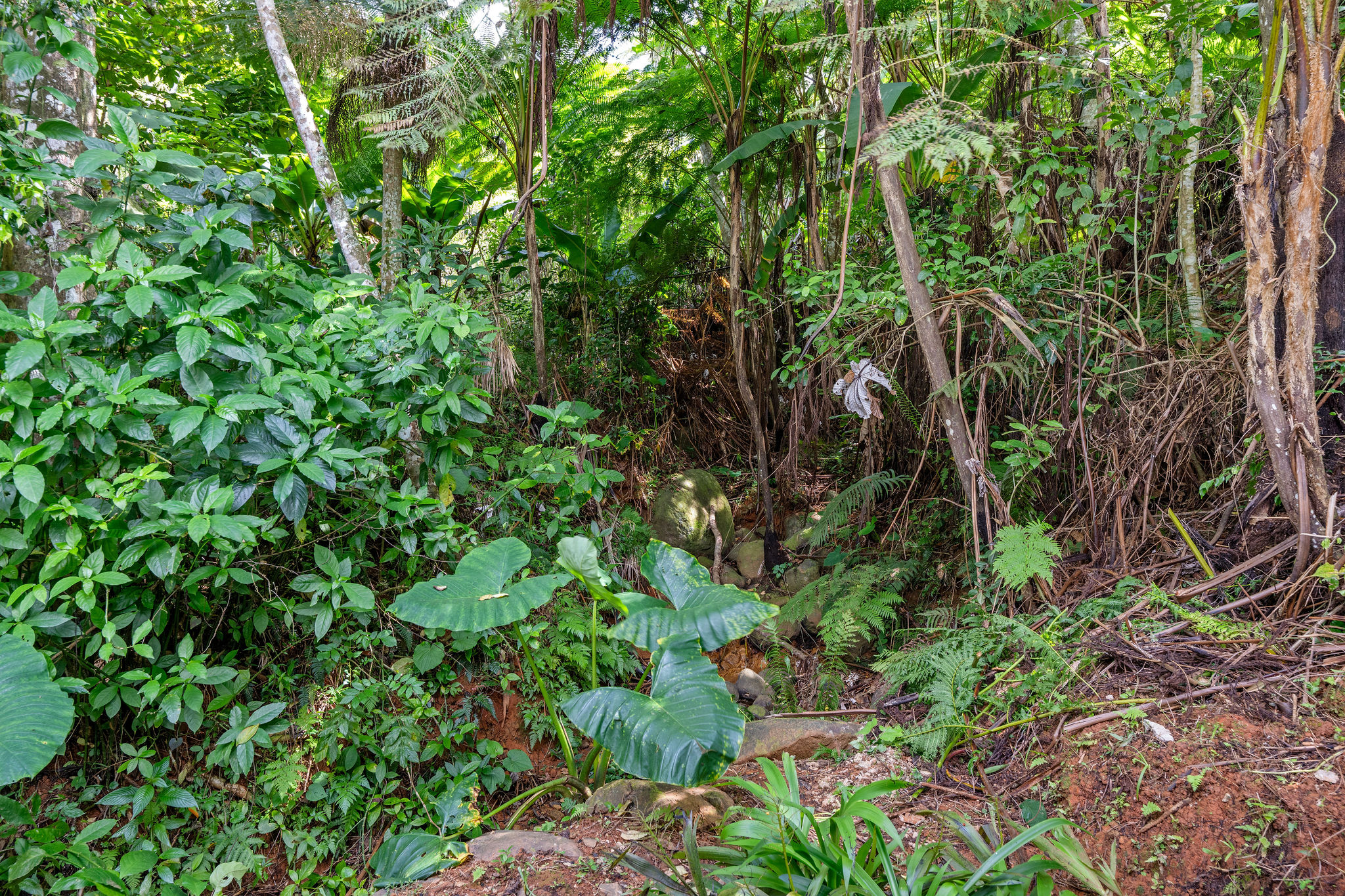
Mountain forests are layered. Canopy above, understory below, roots underfoot. Light filters through leaves rather than hitting you directly. Shadows shift. The air smells different—earth, moisture, green things growing.
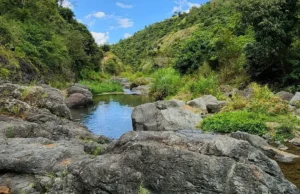
These conditions naturally slow the pace. You can’t rush through dense vegetation. The terrain asks you to watch your footing, to move deliberately. And when you do, the forest starts to reveal itself: a bird you didn’t notice, a fern unfurling, water trickling somewhere nearby.
The Central Mountains of Puerto Rico and Mindful Travel
Most visitors to Puerto Rico head for the coast. San Juan, Vieques, Rincón—places with beaches, nightlife, and plenty of activity. There’s nothing wrong with that. But it’s not the whole island.
The central mountains are a different world. Towns like Orocovis, Adjuntas, and Jayuya sit high above sea level, surrounded by forest and farmland. Life here moves slower. There are no resorts, no cruise ships, no lines for anything.
This is where mindful travel makes sense—not as a marketing phrase, but as a real approach. The mountains don’t demand anything from you. No itinerary, no must-see attractions, no pressure to optimize your trip. You can wake up without a plan, walk into the forest, and let the day unfold.
For travelers who feel exhausted by the usual rhythm of tourism, the central highlands offer a genuine alternative. Not an escape from Puerto Rico, but a deeper way into it.
What a Forest Bathing Experience Feels Like
Imagine walking into a forest with no destination.
You move slowly. Not because you’re tired, but because there’s no reason to rush. The trail—if there is one—isn’t the point. You stop when something catches your attention. A tree with unusual bark. A cluster of mushrooms. The way light falls through a gap in the canopy.
You’re not thinking about what comes next. You’re not reviewing what happened earlier. You’re just here, in this one place, noticing what’s around you.
The sounds come into focus. Birdsong layered over insect hum. Wind moving through different kinds of leaves. Your own footsteps, soft on damp earth.
After a while, something shifts. The mental chatter quiets. The forest stops being scenery and starts being something you’re part of. Not a visitor passing through, but a presence among other presences.
This is what forest bathing feels like. Not dramatic. Not transformative in a loud way. Just a slow return to a state your body already knows.
Benefits of Forest Bathing While Traveling
Forest bathing isn’t medicine, and it doesn’t promise miracles. But there are real, noticeable effects—especially when you’re traveling and your nervous system is already stretched thin.
- Reduced mental noise. The constant input of travel—decisions, navigation, stimulation—fades into the background.
- Better rest. Time in nature, especially quiet nature, tends to improve sleep. Your body recalibrates.
- Deeper connection with place. Instead of photographing a destination, you actually experience it. The memory stays differently.
- A different relationship with time. Hours in the forest don’t feel rushed or wasted. They just feel like hours.
None of this requires belief or effort. It happens on its own when you give it space.
How to Practice Forest Bathing in the Mountains
You don’t need a guide or a program. You just need a forest and a willingness to slow down.
Let Go of the Plan
Forest bathing works best without an agenda. No route to complete. No landmark to reach. No schedule to keep. If you find yourself checking the time, put your phone away and keep walking.
Simple Guidelines
- Move slowly. Slower than feels natural at first. Let your pace match the forest, not the other way around.
- Stay quiet. Conversation pulls you out of the experience. If you’re with someone, agree to walk in silence for a while.
- Put the phone away. Not on silent—away. The urge to photograph everything interrupts presence.
- Follow curiosity, not distance. If something interests you, stop. Look closer. There’s no reward for covering more ground.
The goal isn’t to do it right. The goal is to be there.
Why Staying Overnight Changes the Experience
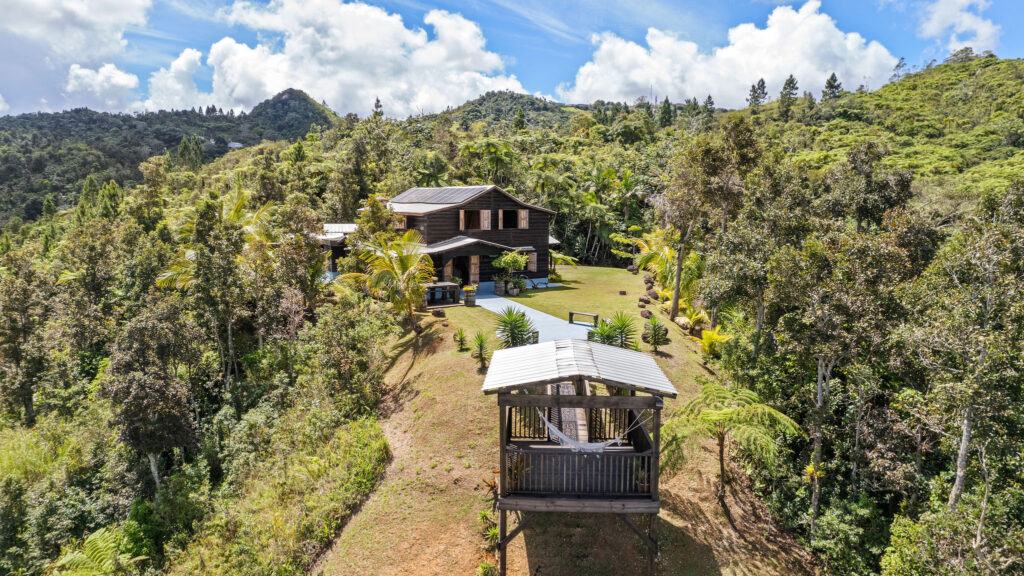
A day trip can offer a taste of the mountains. But staying overnight deepens everything.
When you sleep in the forest, you experience it across time—not just a midday snapshot, but the shift from afternoon to evening to night to morning. You hear the coquí frogs after dark. You feel the temperature drop. You wake up to birdsong instead of an alarm.
The silence continues. There’s no hotel lobby, no street noise, no break in the immersion. Your nervous system gets a chance to settle, not just pause.
And when you walk into the forest the next morning, it feels different. Familiar. Like returning somewhere you’ve already been, even if you’ve only spent one night.
A Different Way to Experience Puerto Rico
Puerto Rico is often sold as activity—beaches, bars, adventure tours, nightlife. And for travelers who want that, it’s easy to find.
But the island holds other rhythms too. Quieter ones. Slower ones. The mountains offer a version of Puerto Rico that doesn’t ask anything of you except attention.
Forest bathing isn’t about rejecting the rest of the island. It’s about balancing it. A few days in the highlands, walking slowly, breathing deeply, letting the forest do its work—that changes how the whole trip feels.
For travelers drawn to mindful travel, the central mountains of Puerto Rico are worth the drive. Not for what they offer, but for what they don’t.
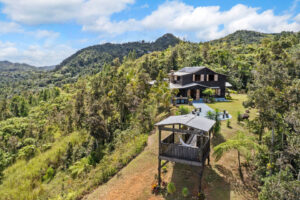
Finca Quebrada Seca is located in the mountains of Orocovis, surrounded by forest and open land. For travelers seeking a quieter way to experience Puerto Rico, it offers the space to slow down and reconnect.