Puerto Rico is often defined by its beaches — but the island tells a very different story once you head inland. Rising through the center of the island, the Cordillera Central reveals a quieter side of Puerto Rico, shaped by mountains, winding roads, and landscapes that feel largely untouched.
This region is home to hidden waterfalls, scenic viewpoints, and small local spots that rarely make it into travel guides. Exploring the central mountains is about slowing down, discovering places off the main routes, and experiencing a deeper connection with nature and local life.
Why Puerto Rico’s Central Mountains Are Still a Hidden Treasure
While Puerto Rico’s coastline draws most visitors, the central mountains remain largely overlooked. Reaching this region takes more time and intention, with winding roads and fewer large resorts — factors that naturally keep mass tourism away and preserve the area’s quieter character.
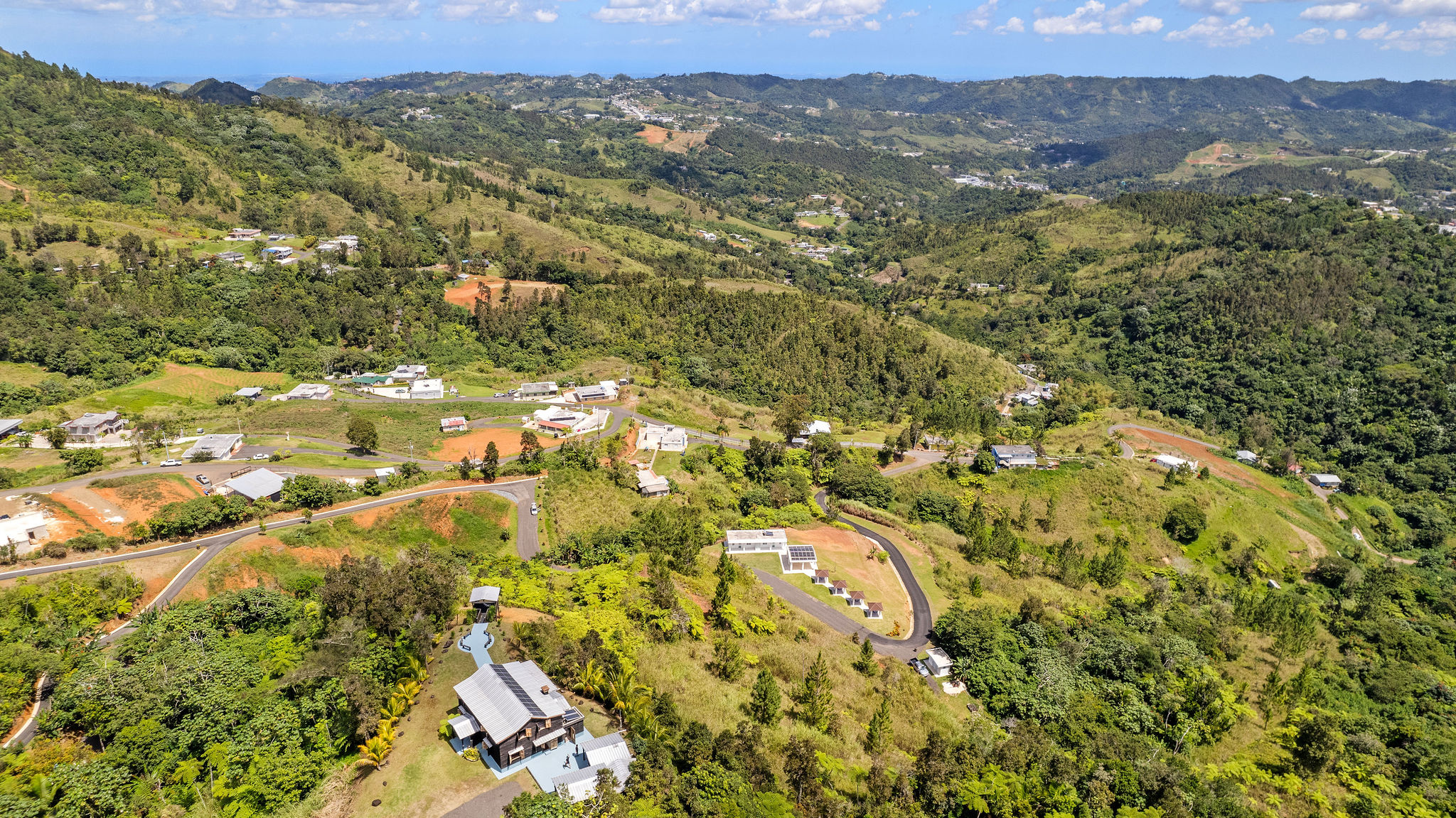
What makes the central mountains different is the pace. Life here moves slower, shaped by elevation, weather, and daily routines tied to the land. Instead of busy beaches and crowds, travelers find forested landscapes, cooler air, open views, and a sense of space that feels increasingly rare.
This part of the island is especially appealing to slow travelers, nature lovers, and curious explorers who enjoy discovering places without an agenda. Small mountain towns like Orocovis sit at the heart of this region, offering a glimpse into a more rural, grounded side of Puerto Rico — one that rewards those willing to venture beyond the obvious.
Finding Hidden Waterfalls in Puerto Rico’s Central Mountains
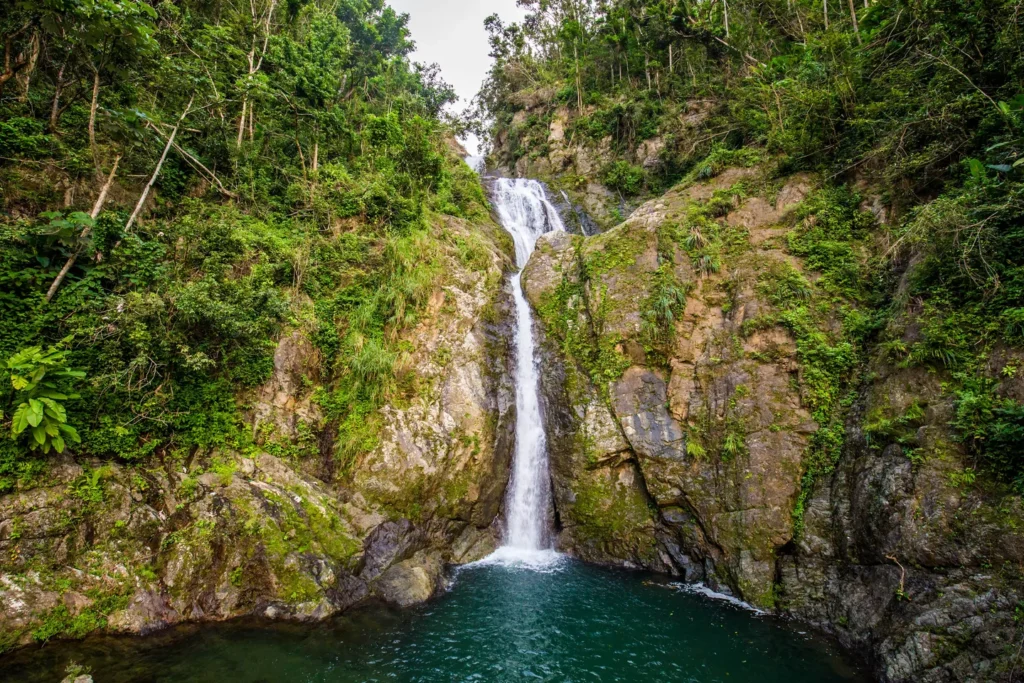
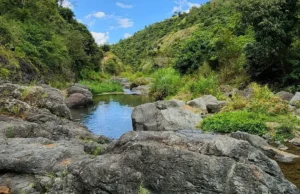
Scattered throughout Puerto Rico’s central mountains are waterfalls that don’t appear on most maps. Many aren’t marked with signs or formal trails, which keeps them quieter and more closely connected to their natural surroundings. Reaching them often requires a short hike, a bit of curiosity, and a willingness to explore beyond the main roads.
What Makes These Waterfalls Special
What sets these waterfalls apart isn’t just their beauty — it’s the experience of getting there.
- More natural access: trails tend to be informal and shaped by the land rather than built infrastructure.
- Fewer people, more silence: the lack of signage and promotion keeps crowds away.
- Intact environments: surrounding vegetation, rock formations, and water flow remain largely undisturbed.
What to Know Before You Go
- What to bring: sturdy shoes, water, insect repellent, and a small towel.
- Best time to visit: after light rainfall or during the wetter months, when water flow is stronger.
- Difficulty level: generally moderate, with uneven terrain and occasional steep sections.
- Environmental respect: stay on existing paths when possible, avoid leaving trash, and don’t disturb plants or wildlife.
Scenic Viewpoints in Puerto Rico’s Central Mountains
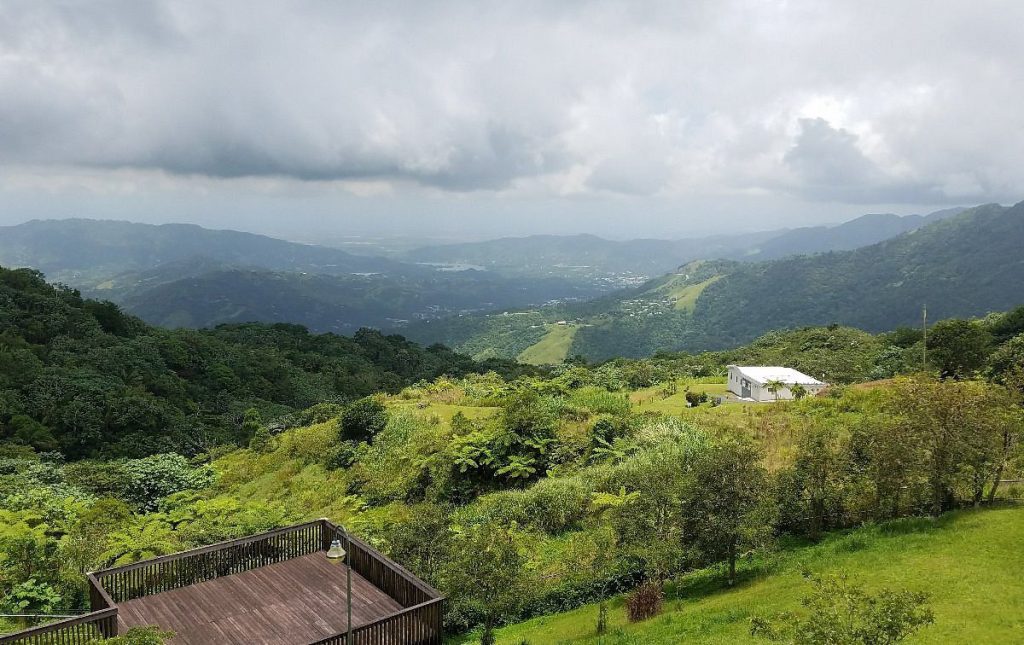
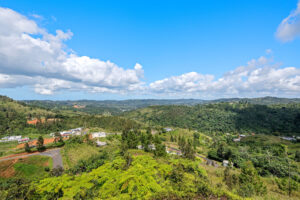
One of the most rewarding parts of exploring Puerto Rico’s central mountains is the element of surprise. Viewpoints often appear without warning — after a curve in the road, at the edge of a quiet pull-off, or along a secondary route you didn’t plan to take.
Unlike formal lookout points, many of the best views in the central mountains are simply part of the journey.
- Natural viewpoints emerge along ridgelines and open clearings, shaped by elevation rather than infrastructure.
- Secondary roads wind through the mountains, offering unexpected views of valleys, forests, and distant peaks.
- Light changes throughout the day transform the landscape — morning mist, midday clarity, and warm late-afternoon tones all create a different experience.
Often, the most memorable moments come from slowing down and paying attention, rather than heading toward a marked destination.
Quick Tips for Enjoying Mountain Viewpoints
- Best times to visit: early morning and late afternoon offer softer light and clearer views.
- Driving precautions: mountain roads can be narrow and winding — take your time and use designated pull-offs when stopping.
- Weather awareness: clouds and rain can move quickly at higher elevations, affecting visibility within minutes.
How to Explore the Central Mountains Responsibly
Exploring Puerto Rico’s central mountains comes with a shared responsibility. Many of the places that make this region special remain that way because they are treated with care — by locals and visitors alike. Traveling responsibly helps protect both the landscape and the communities that call it home.
Guidelines for Responsible Exploration
- Respect trails and private property: not all paths are public, and staying within allowed areas helps preserve the land.
- Leave no trash behind: carry out everything you bring with you, even biodegradable waste.
- Keep noise to a minimum: the quiet is part of the environment, for both wildlife and local residents.
- Support local businesses: stop at small shops, bakeries, and family-run spots when possible.
- Avoid geolocating sensitive places: some locations are best protected by remaining off the map.
Responsible travel isn’t about restriction — it’s about awareness. Simple choices help ensure the central mountains remain a place of discovery for years to come.
Planning a Mountain Day (or Weekend) in Central Puerto Rico
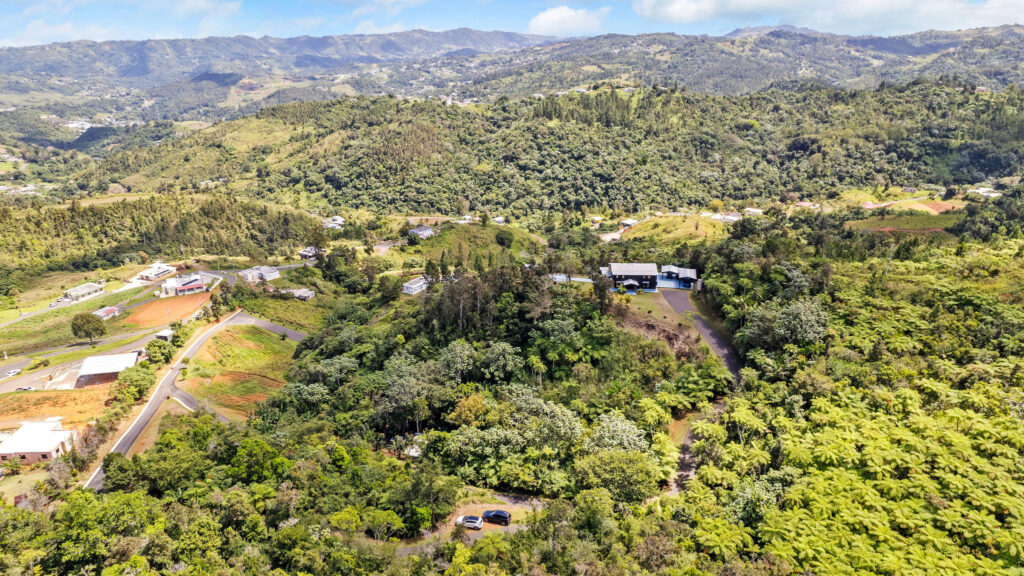
Exploring the central mountains doesn’t require much planning, but a few small considerations can make the experience smoother and more enjoyable. Things move differently here, and that’s part of the appeal.
What to Pack
- Comfortable clothes you don’t mind getting a little dusty
- Good shoes — especially if you plan to walk near rivers or uneven paths
- Water and a few snacks for the road
- Sunscreen and insect repellent
- A light backpack to keep things simple
Temperatures can change as you gain elevation, so it helps to be prepared without overpacking.
Getting Around
Having a car makes all the difference in the mountains. Roads are narrow, winding, and often lead to places you wouldn’t find any other way.
- Expect slower drives and enjoy the views along the way
- Take curves and elevation changes at an easy pace
- Don’t rely too heavily on Google Maps for timing — mountain routes almost always take longer than expected
Here, the drive isn’t just a way to get somewhere. It’s part of the experience.
Why Staying in the Mountains Changes the Experience
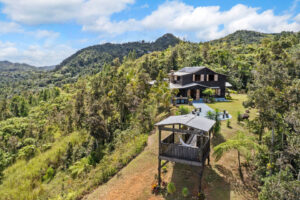
There’s a big difference between passing through the mountains and staying there. When you spend the night, the pace shifts. Roads get quieter, temperatures cool, and the landscape begins to feel less like something you’re visiting and more like a place you’re part of.
Mornings arrive slowly, often with mist moving through the hills and birds filling the silence before anything else does. Evenings are calmer, shaped by fading light, cooler air, and the absence of constant movement. Without the rush to leave, time stretches in a way that invites rest and attention.
Staying in the mountains allows the environment to guide the experience. It’s not about checking off places, but about being present — waking up surrounded by nature, moving at a different rhythm, and letting the setting leave its mark. For many travelers, this is when the central mountains of Puerto Rico reveal their true character.
Discovering Puerto Rico Beyond the Obvious
Puerto Rico’s central mountains invite a different way of traveling. One that values curiosity over checklists, quiet moments over crowds, and the journey as much as the destination. Away from the coast, the island reveals a side shaped by elevation, tradition, and everyday life that unfolds at its own pace.
Some of the most meaningful places here aren’t marked on maps or highlighted in guides. They’re found by slowing down, taking a turn without a plan, and paying attention to what’s around you. Exploring the mountains is less about finding specific spots and more about allowing the experience to unfold naturally.
For travelers looking to explore Puerto Rico beyond the coast, the central mountains offer a quieter, more meaningful way to experience the island.