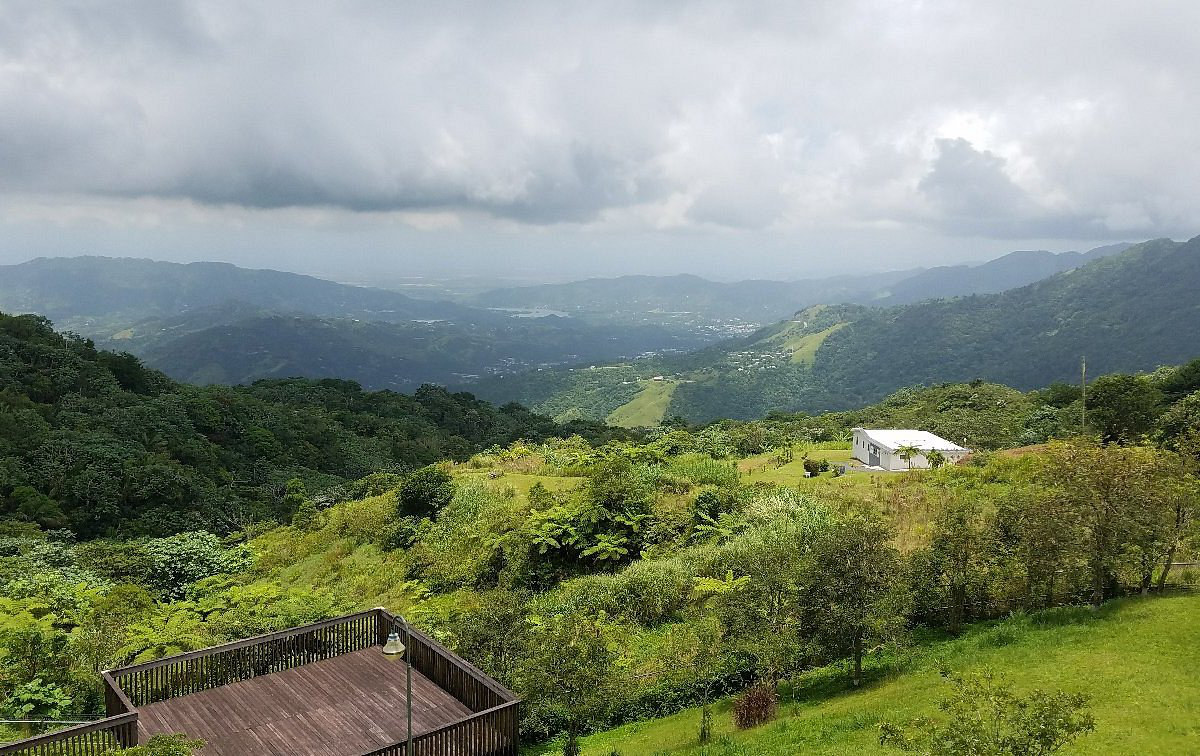
Almost everyone who visits Puerto Rico knows the coast — the beaches, the resorts, the old streets of San Juan. Fewer make it inland, up into the mountains that run down the center of the island. But the interior is its own Puerto Rico, with a rhythm, a sound, and a table that don’t quite match the postcard. Mountain culture in Puerto Rico grew out of farming, distance, and time, and it still feels different from the coast in ways worth knowing before you decide which side of the island you came to see.
One honest note before we start: these aren’t sealed categories. Puerto Rican culture — Taíno, Spanish, and African, layered over centuries — is shared across the whole island. What follows is about where certain traditions took root and still feel strongest, not a border you cross.
A different pace
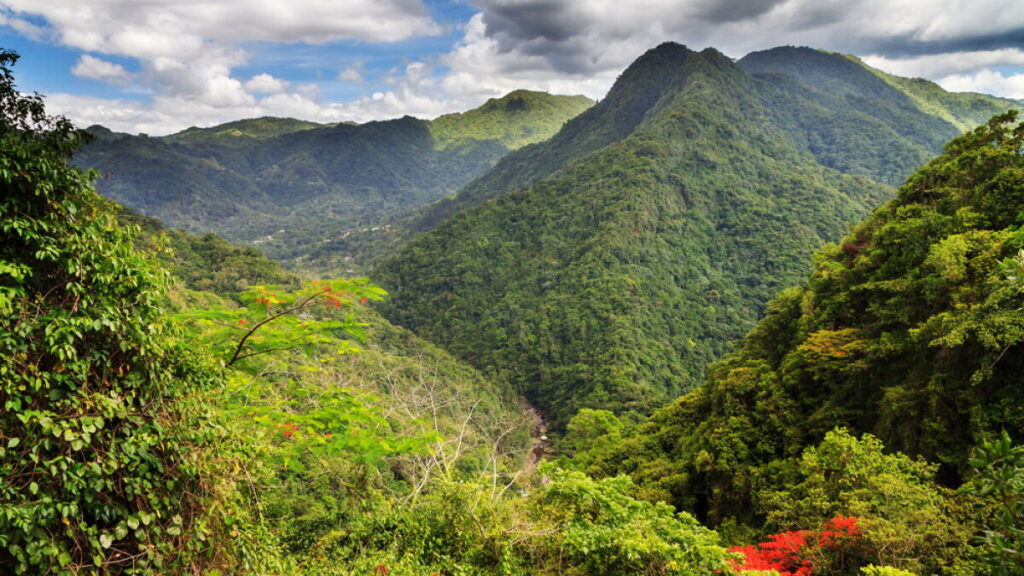
The most immediate difference is speed. The coast runs on tourism time — check-ins and checkouts, tours that leave on the hour, beaches busiest when the cruise ships are in. It’s built to move people through, and it does that well.
The mountains run on something slower and older: agricultural time. Coffee ripens when it ripens. A plantain is ready when it’s ready. Days in the interior are shaped by weather, light, and the work the land needs, not by a schedule someone printed. For a lot of visitors, that shift is the whole reason to come inland — it isn’t that there’s less to do, it’s that nothing is rushing you to do it.
The sound of the interior
If the coast has a soundtrack, it’s bomba and plena — Afro-Puerto Rican traditions rooted in coastal towns like Loíza, where the drum and the dancer hold a kind of conversation, and the call-and-response of a plena carries community news set to rhythm.
The mountains sound different. The music of the interior is música jíbara — the tradition of the jíbaro, the Spanish-descended farmer who worked the highland land. At its center is the cuatro, Puerto Rico’s ten-stringed national instrument, bright and quick, backed by guitar and güiro. A trovador sings décimas, ten-line verses often improvised on the spot, in forms like the seis and — around Christmas — the aguinaldo carried house to house during the parrandas. The songs are about the campo: the countryside, the land, the work, the life of the farmer. It came out of the same mountains the coffee did.
The food
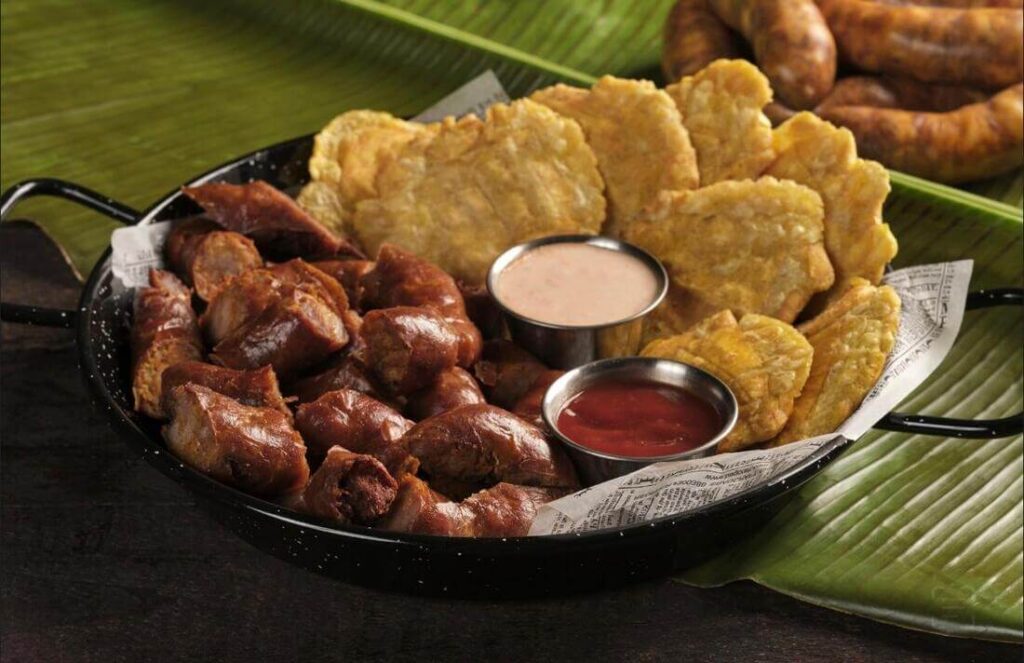
You can taste the same divide.
The coast leans on the sea and on fried snacks eaten with your hands — alcapurrias and bacalaítos from the roadside kiosks at places like Piñones and Loíza, seafood pulled in that morning. It’s food built for a beach day.
The mountain table is heavier and rooted in what grows in the ground. Viandas — root vegetables like yuca, yautía, malanga, and ñame — are the backbone of country cooking, boiled or fried and served alongside almost everything. And then there’s lechón: a whole pig slow-roasted over coals, the dish the interior is famous for. The Ruta del Lechón winds through mountain towns like Guavate, in the hills of Cayey, where families drive up on weekends for pork carved to order. Coffee belongs to the mountains too — Puerto Rico’s has always come from the highland towns of the interior.
How you experience each as a visitor
The two sides ask for different kinds of trips.
The coast is set up for it — resorts, beach bars, tours, the whole apparatus of a Caribbean vacation. It’s easy, and it delivers what it promises. The interior asks a little more of you. There are fewer hotels and more fincas, less programming and more nature: rivers, waterfalls, trails, farms you can visit, mountain towns that don’t announce themselves. You trade convenience for quiet and for the sense of finding something. (If you’re curious what’s actually up there, our guide to the central mountains is a good place to start.)
Neither is more “real” than the other. But they’re genuinely different trips, and knowing which one you want changes where you point the car.
Why mountain culture in Puerto Rico feels different at the center
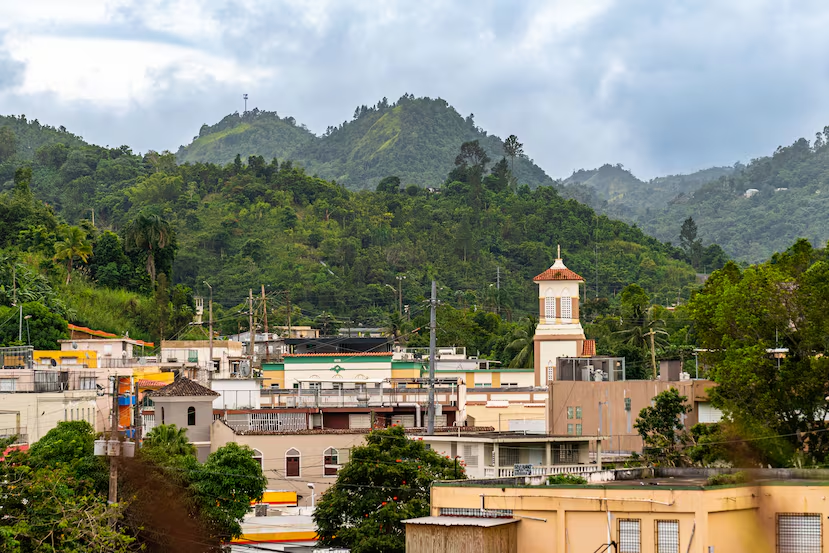
Orocovis sits at the geographic center of Puerto Rico, about as far from either coast as you can get on the island. That distance is part of why the interior held onto its own character — far enough from the ports and the resorts that mountain life kept its own pace and its own traditions.
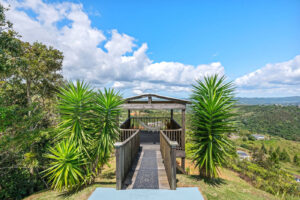
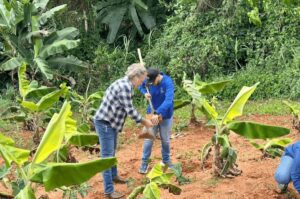
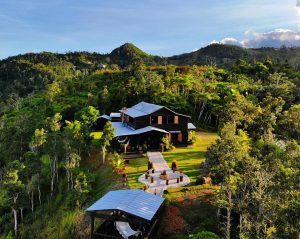
It’s the same distance that shapes a place like Finca Quebrada Seca. Off-grid, powered by the sun, planted with coffee and plantains, and open to the mountains on every side, it’s less a place you visit than a place you slow down into. The mountain culture this post is about isn’t a museum exhibit up there — it’s the ordinary texture of the interior, and spending a few days in it is the clearest way to feel the difference.
Spending time on the mountain side
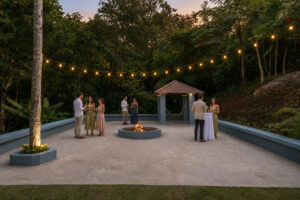
If the mountain side of Puerto Rico is the one that pulls at you, Finca Quebrada Seca is one way to spend real time in it — a private, off-grid finca in the mountains of Orocovis, open to guests and gatherings. Get in touch if you’d like to know more, or see about hosting something here.