Every trip leaves a trace. Where you sleep, where you eat, what you buy, how you move through a place—these choices add up. Most of the time, we don’t think about them. We book what’s convenient, eat what’s nearby, and move on.
But travel is more than moving through a place. It’s interacting with the people who live there. And those interactions, however small, shape both the experience and the place itself.
Supporting local communities while traveling isn’t about grand gestures or checking boxes. It’s about paying attention—and understanding that the way we travel matters beyond our own experience.
Travel Is Never Neutral
There’s no such thing as a trip without impact. Every traveler participates in the economy, culture, and daily life of the places they visit. The question isn’t whether you’ll have an effect—it’s what kind.
A night at a locally owned guesthouse circulates money differently than a night at an international chain. The first keeps resources within the community—paying local staff, sourcing from nearby vendors, reinvesting in the neighborhood. The second often funnels profits elsewhere, leaving little behind except the service rendered.
The same applies to food, transportation, and everything else. Each choice creates a small ripple. Multiply that by thousands of travelers making similar decisions, and the ripples become currents that shape how a place develops—or doesn’t.
It’s Not About Doing More — It’s About Choosing Differently
The phrase “support local” gets used a lot. But what does it actually mean in the context of travel?
Supporting local communities doesn’t mean adding tasks to your itinerary. You don’t need to volunteer, donate, or turn your trip into a mission. The goal isn’t to save anyone.
It’s simpler than that. Stay at a place owned by someone who lives there. Eat where locals eat. Buy from people who made what they’re selling. These aren’t heroic acts—they’re just conscious choices that shift who benefits from your presence.
Everyday Choices That Make a Difference
Responsible travel shows up in ordinary decisions, made throughout a trip.
- Staying in locally owned accommodations. Small guesthouses, family properties, and independent rentals keep tourism dollars in the community. The person who greets you often lives nearby—and your stay helps sustain their livelihood directly.
- Eating at small, family-run places. Skip the franchises. Look for restaurants where the menu reflects the region and the kitchen is run by people who’ve cooked these dishes for generations. The food tells a story that chains can’t replicate.
- Buying from local producers and artisans. If you’re going to bring something home, let it come from someone who made it. Markets, roadside stands, small workshops—these transactions connect you to the craft and the person behind it.
- Hiring local guides. When you need guidance, choose someone from the area. They know the place differently—its history, its secrets, its context. And your payment supports their expertise directly.
- Respecting local rhythms and customs. Not every place operates on tourist time. Shops close for lunch. Sundays are slow. Adjusting your expectations to match the community is a quiet form of respect that locals notice.
Why Rural and Mountain Communities Matter
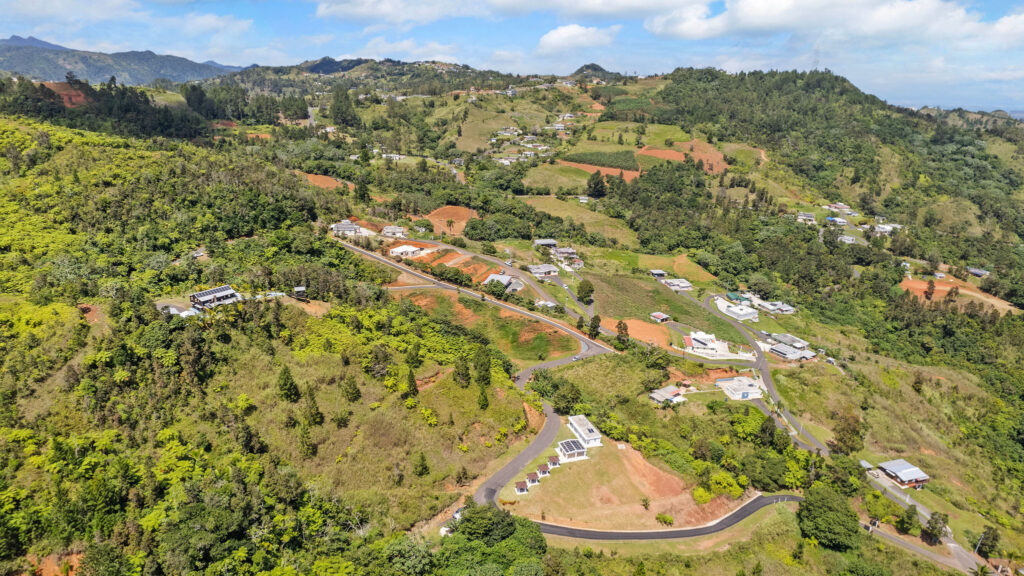
Not all places receive tourism equally. Coastal areas, capital cities, and famous landmarks absorb most of the attention—and most of the spending. Rural communities, mountain towns, and interior regions often get overlooked entirely.
These places tend to have smaller, more vulnerable economies. A single tourism season can make or break a local business. And unlike urban centers with diversified income sources, rural communities often depend heavily on agriculture, small trade, and whatever visitors happen to pass through.
When travelers choose to spend time and money in these areas, the impact is proportionally larger. A few guests at a mountain guesthouse might represent a significant part of that family’s annual income. A meal at a countryside restaurant keeps it open for the locals who depend on it year-round.
Tourism, when spread more evenly, becomes a tool for economic balance—not just another force concentrating wealth in places that already have plenty.
The Difference Between Visiting a Place and Being Part of It
There’s a difference between passing through and actually being somewhere.
Passing through is efficient. You see the sights, take the photos, and move on. The place remains a backdrop—something you witnessed but didn’t quite touch.
Being part of a place feels different. It’s slower. You notice the rhythm of daily life—when the bakery opens, how people greet each other, what the evening sounds like. You talk to people without needing anything from them. You sit somewhere long enough to feel like you belong, even temporarily.
This kind of presence doesn’t require weeks. Sometimes it only takes a few days, if you let yourself settle. But it does require letting go of the urge to optimize every hour. The less you try to see, the more you actually notice.
Supporting Communities Without Turning Them Into Attractions
There’s a tension in travel. The more a place gets shared and celebrated, the more it changes. What starts as a quiet community can quickly become a destination—and destinations often stop feeling like communities at all.
Respect Over Exposure
Not every place needs to be geotagged. Not every meal needs to be posted. Some of the best travel moments are the ones you keep to yourself—precisely because sharing them widely would change what made them special.
This doesn’t mean gatekeeping out of selfishness. It means pausing before you share and asking whether your visibility helps or harms. Sometimes the most respectful thing you can do is leave a place unnamed.
Presence Over Documentation
Travel culture often treats experiences as things to collect—places visited, foods tried, photos taken. But there’s another way to move through the world: simply being there, without the need to record or prove anything.
Watching without filming. Eating without photographing. Sitting without scrolling. This kind of attention is becoming rare, and places can feel the difference. When someone is fully present—not half-there with a camera—the interaction changes. It becomes human, not transactional.
How Conscious Travel Creates More Meaningful Experiences
Traveling with awareness doesn’t just benefit the places you visit. It changes what you take home with you.
Trips built around real interaction—conversations with locals, meals in places that weren’t designed for tourists, time spent in communities that don’t perform for visitors—leave a different kind of imprint. The memories have weight. They’re tied to faces and voices, not just views.
There’s also something that shifts internally. When you stop treating a place as something to consume and start seeing it as something to participate in, travel becomes less exhausting. You stop chasing. You start arriving.
A Slower, More Intentional Way to Travel
This approach often leads to a different kind of trip. Fewer destinations. Longer stays. Less rushing between landmarks, more time settling into the texture of a single place.
It’s not about doing less for the sake of it. It’s about recognizing that depth and speed rarely coexist. The places that stay with you longest are usually the ones where you stayed longest—or at least long enough to stop counting the hours.
For travelers who feel drained by the usual pace of tourism, this shift can be a relief. It’s permission to stop performing productivity, even on vacation. To wake up without a plan. To see what the day offers instead of what the itinerary demands.
Traveling With Awareness
Travel has always been an exchange. You bring yourself to a place, and the place gives something back. But the terms of that exchange depend entirely on how you show up.
When you travel with awareness—of impact, of presence, of the lives unfolding around you—something shifts. The places you visit don’t just become memories. They remain what they were before you arrived: home to the people who live there.
That’s what supporting local communities really means. Participating without extracting. And recognizing that the way we travel shapes not just our own stories, but the future of the places we’re lucky enough to visit.
Traveling thoughtfully allows places—and the people who live there—to remain what makes them special.