On most of Puerto Rico, you don’t really see the stars. The coast is where the people, the hotels, and the lights are, and the glow from San Juan and the beach towns washes out all but the brightest points overhead. Drive inland and up, into the mountains at the center of the island, and the sky changes. Stargazing in Puerto Rico is one of those things the interior quietly does better than the coast — not because the mountains are closer to anything, but because they’re farther from the light.
Why the Mountains Are Darker than the Coast
Light pollution is the whole game in stargazing, and Puerto Rico’s is concentrated where you’d expect: the San Juan metro area and the ring of towns along the coast. Genuinely dark skies on the island aren’t easy to find, and they get scarcer every year as development spreads.
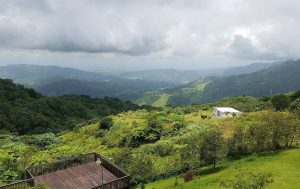
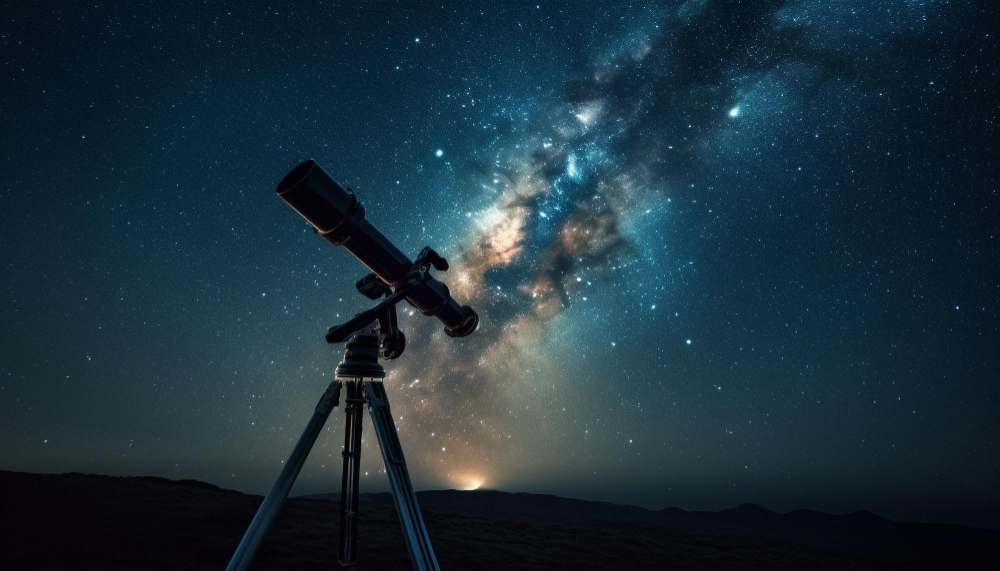
The central mountains have two things working in their favor. They’re geographically removed from the biggest light domes, tucked into the interior where there are simply fewer towns and less sprawl. And elevation lifts you above some of the coastal haze that smears starlight near the horizon. You won’t get the pitch-black of a remote desert — this is a small, inhabited island — but on a clear, moonless night in the interior, the Milky Way is visible to the naked eye, which is more than most of the island can say. Around Orocovis, near the geographic center, you’re about as far from the coastal glow as the island allows.
What You Can See from Puerto Rico’s Latitude
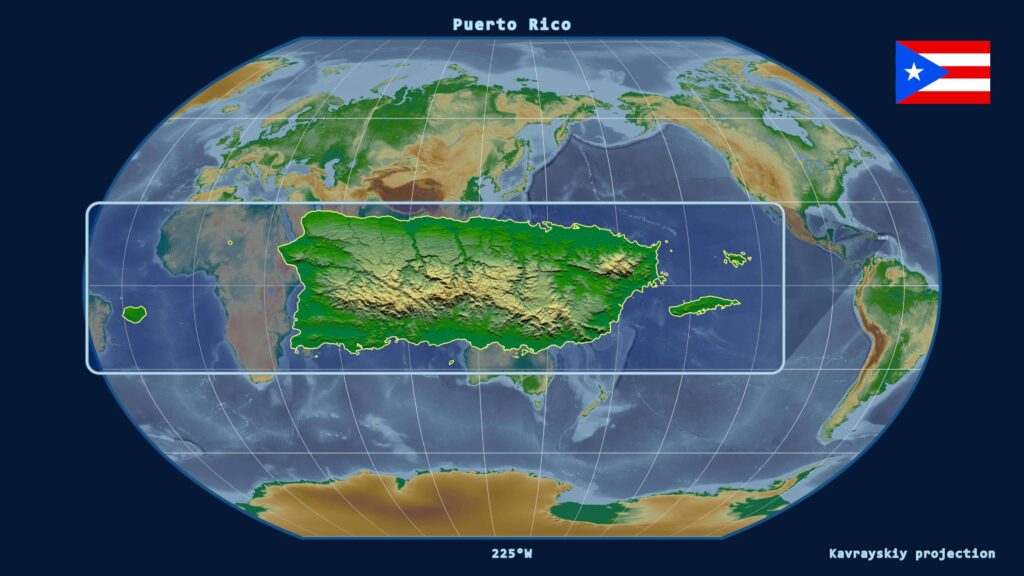
Here’s the part that surprises people. Puerto Rico sits at about 18 degrees north, well south of the continental United States, and that latitude changes what’s in the sky.
The Milky Way’s bright core — the dense, glowing center of our galaxy — rides higher here than it does from the mainland. From far-northern latitudes the galactic core skims low along the southern horizon; from Puerto Rico it climbs meaningfully higher, which means a clearer, fuller view of the best stretch of the galaxy during its season.
The real prize is the Southern Cross. Crux — the compact, kite-shaped constellation that flies on several southern-hemisphere flags — is invisible from almost all of the mainland United States. From Puerto Rico’s latitude it clears the southern horizon in spring: low, brief, and easy to miss, but genuinely there. Catching it is one of the things that makes looking up this far south worth the effort.
And the familiar sky is all still there — Orion and the brilliant winter stars high overhead from December through February, Scorpius and Sagittarius framing the galactic center through the summer, the Moon and the planets running their usual track across the night.
The Best Time of Year to Stargaze
Timing a night of stargazing in Puerto Rico comes down to two things: clouds and the Moon.
For clear skies, the dry season — roughly December through April — is the safer bet. The air is less humid, the nights are more reliably cloudless, and haze is at its lowest. The flip side is the rainy and hurricane stretch from about June through November, when the sky is more often covered and afternoon clouds can hang around well past dark.
That creates a small tension worth planning around. The Milky Way’s core is at its highest and brightest in summer, peaking around June and July — which is exactly when the island’s skies are least reliable. The spring shoulder, April and May, is often the sweet spot: the core is up in the pre-dawn hours and the skies are still mostly clear.
Whenever you go, plan around a new moon. A bright Moon is its own kind of light pollution and will wash out everything faint; the nights within a few days of a new moon are when the sky is truly dark. For meteor showers, the Geminids in mid-December are the standout — a strong, reliable shower that happens to fall in the clear dry season. The better-known Perseids peak in mid-August, but there you’re gambling against summer cloud to catch them.
How to Actually Do it
A few practical things make the difference between seeing a handful of stars and seeing the sky:
- Give your eyes time. It takes 20 to 30 minutes in the dark for your eyes to fully adjust, and a single glance at a phone screen resets the clock. Use a red light if you need one.
- Find an open southern view. The best southern-sky sights — the galactic core, the Southern Cross — sit low, so you want a clear horizon in that direction rather than a ridge or tree line in the way.
- Check the Moon and the forecast together. A clear night near a new moon is worth rearranging plans for.
- Bring a layer. The mountains run cooler than the coast, and sitting still after dark gets cold faster than you’d expect.
Dark Skies and Off-Grid Nights
There’s a reason an off-grid property in the interior is a natural place to do this. A finca that runs on solar power and keeps its lighting low doesn’t throw its own glow into the sky the way a resort or a lit-up town does — the darkness that makes the stars visible is the same darkness you’re spending the night in. Step outside once the lights are down, let your eyes settle, and the sky is simply there, no planning required beyond a clear forecast.
It’s the unprogrammed kind of thing the mountains are good for. No ticket, no guide, no schedule — just a dark night and somewhere high and quiet enough to use it. The same remove that makes the interior feel far from everything is exactly what makes the sky worth looking at, and it pairs naturally with the slower, outdoor rhythm of a few days spent in the central mountains.
Where to Find a Dark Sky
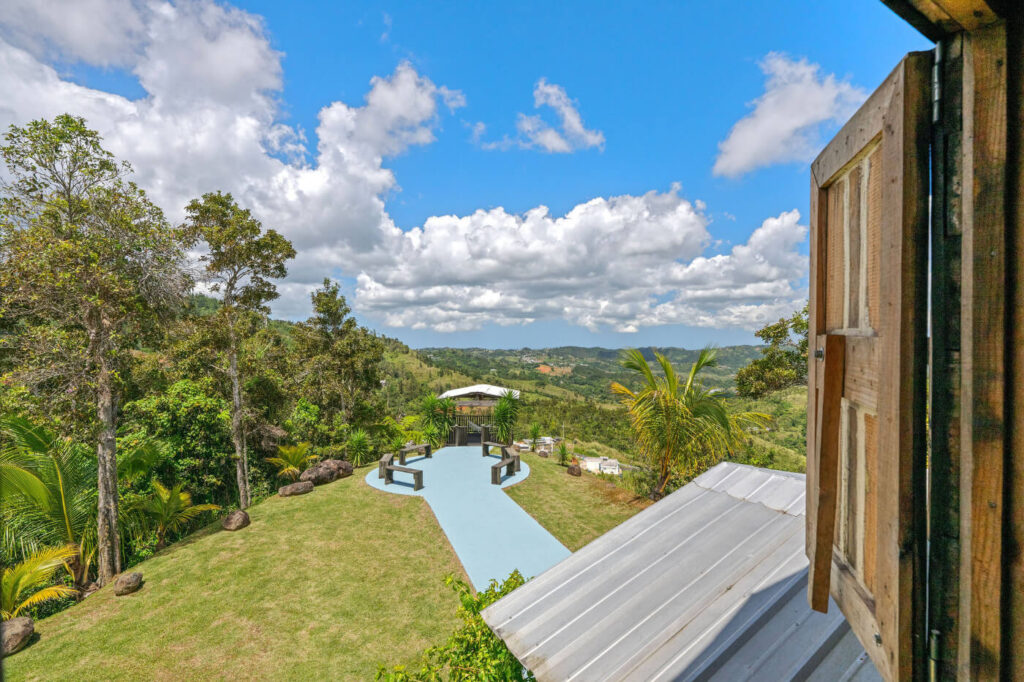
Finca Quebrada Seca sits off-grid in the mountains of Orocovis, near the center of the island and a long way from the coastal lights — which, on a clear, moonless night, is exactly where you want to be. If a dark sky is part of what you’re after, get in touch, or read more about what an off-grid finca in Puerto Rico is actually like.